

avartan.in

Avartan Blogs

Avartan Blogs

Cyber Security in the Classroom

Cyber Security in the Classroom: Protecting Students in the Digital Age​ In today’s hyper-connected world, classrooms have extended beyond four walls. Students are constantly engaging with digital platforms, from online learning portals to interactive tools, social media, and cloud-based assignments. While this digital integration enhances learning experiences, it also opens doors to cyber threats. Therefore, cyber security in the classroom is not just an option anymore – it is a necessity. The Digital Transformation of Education The education sector has undergone a massive digital transformation in recent years. With the rise of e-learning, virtual classrooms, and digital resources, students now have access to knowledge like never before. Teachers use interactive platforms, online assessments, and cloud-based collaboration tools to make lessons more engaging. However, this increased reliance on technology has also made schools more vulnerable to cyber risks. Cyber criminals often target educational institutions because of their valuable data, which includes personal student information, financial details, research records, and more. Schools often lack the advanced security infrastructure that businesses may have, making them attractive targets. Common Cyber Threats in Schools 1. Phishing Attacks : Fraudulent emails or messages designed to trick students or staff into revealing personal information or login credentials. 2. Ransomware : Malicious software that locks down school systems and demands payment to restore access. 3. Data Breaches : Unauthorized access to sensitive student records and financial details. 4. Cyberbullying : Students misusing digital platforms to harass or bully peers. 5. Inappropriate Content Exposure : Accidental or intentional access to harmful online content. These threats highlight the urgent need for comprehensive cyber security measures in classrooms. Risks of Learning Management Systems (LMS) and School ERP Software While Learning Management Systems (LMS) and school ERP (Enterprise Resource Planning) software provide convenience in managing classes, attendance, and assignments, they also pose significant risks. Many ERP providers collect and store large volumes of student data, which maybe misused. Reports suggest that student data is sometimes shared or even sold to marketing companies for targeted advertising. This compromises student privacy and creates ethical concerns. Most school ERP platforms also contain parents’ financial information such as fee payments, bank details, and transaction records. Leaking such highly sensitive data poses a serious threat, as it may lead to identity theft, financial fraud, or misuse by third parties. Additionally, ID card and access control systems, may also track and store sensitive information. If such data falls into the wrong hands, it could be exploited for marketing purposes or more harmful activities. Schools must evaluate the vendors they partner with and ensure strict contracts on data privacy. Risks for IT Teachers and School Liability IT teachers face unique risks when introducing students to internet tools, email systems, and online platforms. For instance, some students might misuse these resources, such as sending prank or threatening emails as a joke. However, such actions can have serious consequences, as the IP address is linked to the school’s network, potentially drawing the school into legal trouble. This risk underscores the importance of supervision, clear policies, and digital citizenship education Why Cyber Security Matters for Students Students, being among the most vulnerable internet users, often remain unaware of the risks of sharing personal details or clicking suspicious links, which can lead to identity theft, academic disruption, emotional distress from cyberbullying, and long-term personal or professional consequences; therefore, prioritizing cybersecurity in classrooms is essential not only to protect devices but also to safeguard young minds, foster responsible digital behavior, and create safe learning environments while imparting critical life skills. Strategies for Strengthening Cyber Security in Classrooms 1. Digital Literacy Education : Teaching students about online safety, recognizing phishing attempts, and understanding the importance of strong passwords. 2. Implementing Strong Password Policies : Encouraging the use of complex, regularly updated passwords to reduce unauthorized access. 3. Multi-Factor Authentication (MFA) : Adding an extra layer of security by requiring more than just a password for account access. 4. Regular Software Updates : Ensuring all devices and platforms used in classrooms are updated with the latest security patches. 5. Secure Networks : Schools must implement firewalls, encrypted Wi-Fi, and safe browsing filters to protect students. 6. Data Privacy Policies : Clear rules for how student information is collected, stored, and shared can minimize risks. 7. Monitoring and Supervision : Teachers and administrators should monitor student activities on school devices and platforms to detect potential threats. 8. Cyberbullying Awareness Programs : Establishing policies and support systems to address online harassment. 9. Vendor Accountability : Schools should ensure ERP and LMS providers comply with strict privacy standards and do not misuse student or parent data. 10. Legal Awareness : Students and the wider school fraternity must be made aware of the legal framework surrounding cyber offences. This ensures students do not take such offences lightly, while teachers are equipped to address issues in an appropriate and lawful way. The Role of Teachers and Parents Teachers play a vital role in educating students about safe online practices. Incorporating digital safety lessons into the curriculum helps build awareness from an early age. Similarly, parents must reinforce these lessons at home. By working together, schools and families can create a consistent and effective shield against cyber threats. For example, teachers can organize workshops where cybersecurity experts interact with students, demonstrating real-world threats and prevention methods. Parents, on the other hand, can set healthy screen-time boundaries and monitor the apps their children use. The Future of Cyber Security in Education As technology evolves, so will cyber threats. Artificial intelligence, machine learning, and advanced analytics will soon become integral to detecting and preventing cyberattacks in educational settings. Schools must adopt proactive security measures, not just reactive solutions. Moreover, governments and educational boards must prioritize funding for digital infrastructure, ensuring that schools have the tools to combat cybercrime. Public-private partnerships can also play a key role, with cybersecurity companies offering training and resources to schools. Conclusion Cyber security in the classroom is no longer an optional add-on – it is a fundamental requirement
Avartan Blogs

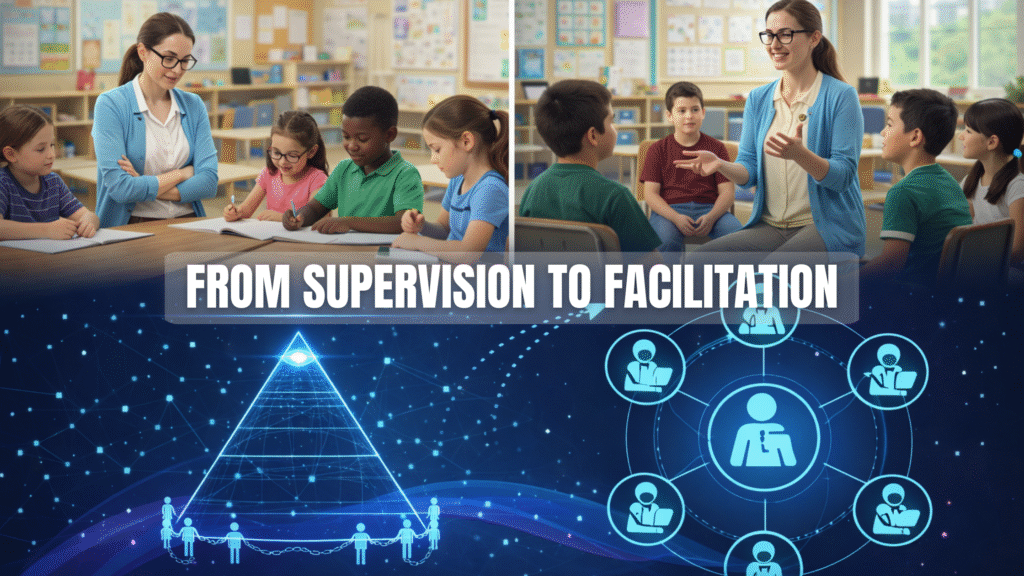
From Supervision to Facilitation

From Supervision to Facilitation: Rethinking IT Classroom Management in the Age of AI Artificial Intelligence is reshaping education, and IT classrooms are feeling the change more than most. In the past, a teacher’s job was to keep a close eye on students, check their work, and make sure to adhere with the rules. Now, AI tools can take over routine tasks, help students solve problems instantly, and even personalize learning on the spot. This has shifted the teacher’s role from controller to guide — a big change for computer science, programming, and other techrelated subjects. The Shift from “Watching” to “Guiding” In traditional IT classes, supervision meant checking every line of code, giving timed exercises, and monitoring for mistakes or cheating. It kept discipline but often stifled creativity — students spent more time memorizing than truly understanding. With AI in the mix, things are different. Tools like GitHub Copilot or Shiksha Copilot can instantly correct code, explain complex concepts, or create examples in multiple languages. They also introduce new skills, like prompt engineering (the ability to ask AI the right questions), which is becoming as important as knowing syntax or algorithms. AI even helps to identify where a class is struggling, whether it’s loops, data handling, or networking, so teachers can focus on the tough spots instead of policing behavior. Rewriting Lesson Plans for the AI Age To optimize the advantages of AI, lesson plans need a redesign. Old methods of lectures followed by drills don’t cut it anymore. Now, AI can help create active and flexible learning experiences that are adapted to each student’s pace and skill level. Key changes include: Personalized Learning Paths : AI adjusts difficulty, giving advanced challenges to quick learners and more guidance to those who need it. Incorporating Adaptative Assessment (Assessments which changes the difficulty level of questions based on the student competency) to the lesson-plans are highly recommended. Project-Based Learning : Instead of repetitive exercises, students work on group projects (like building AI apps). AI can provide starter code while teachers add offline problemsolving activities for inclusivity. This can be done as an in-class activity. AI Literacy : Lessons should cover how to use AI responsibly — checking its work, spotting bias, and refining prompts. Multilingual & Inclusive Content : AI can translate and adapt materials, but teachers must review for accuracy and cultural fit. This combination of human oversight and AI support, makes lessons more engaging and relevant to real-world tech work. Transforming Homework and Assignments If homework stays the same, students will simply let AI do it for them. Instead, tasks should focus on thinking, analysis, and creativity. The following changes suggested: From Copy to Critique : Ask students to evaluate AI-generated code for errors, ethics, or performance, and explain their reasoning. AI-Integrated Challenges : Have AI generate questions or solutions for students to improve. For example, “Use AI to propose a fix for a cybersecurity problem, then check if it follows ethical guidelines.” Show the Process : Don’t just look on to the end answers- ask the students to submit early drafts, AI chat logs, and step-by-step changes to highlight the learning journey Clear Use Policies : Set rules for how AI can be used, and promote teamwork where AI is part of the collaboration. Teachers can use online collaboration platforms for this, provided the learners have good connectivity and devices. It is expected that when homework is designed this way, students engage more deeply and develop stronger problem-solving skills Balancing the Benefits and the Risks AI can make learning faster and more inclusive, but it’s not a perfect substitute for human guidance. Over-reliance can weaken foundational skills, and not all students have equal access to these tools. Teachers need training to integrate AI effectively and ensure it supports — not replaces — critical thinking. The future of IT classroom management is about Facilitation, not supervision. By redesigning lesson plans and assignments for the AI era, educators can create a space where technology enhances learning, and students graduate not just knowing how to code, but knowing how to think. Author: Dr. Anoop Mathew. The author is a consultant to leading EdTech companies and prominent educational groups across India and the Middle East.

Avartan Blogs

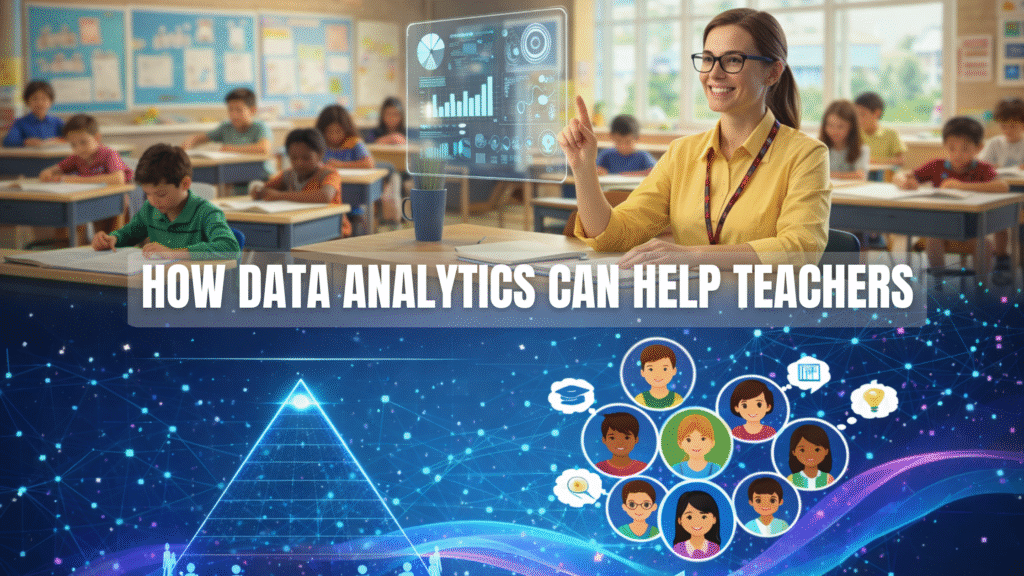
How Data Analytics Can Help Teachers Track

How Data Analytics Can Help Teachers Track and Improve Student Performance When Mrs. Radhika, a high school math teacher in Bengaluru, noticed that one of her brightest students, Arjun, had suddenly started scoring lower on weekly quizzes, she was puzzled. Arjun was attentive in class, asked good questions, and always submitted his homework on time. Something didn’t add up. Instead of relying only on intuition, she decided to check the data available on her school’s learning management system. To her surprise, the analytics revealed a pattern—Arjun’s performance dropped significantly on questions that required multi-step problem-solving, though he was still strong with direct, formulabased questions. Armed with this insight, Mrs. Radhika gave Arjun targeted practice on logical reasoning and multi-step word problems. Within a few weeks, his performance improved dramatically. This is the power of data analytics in education—it turns scattered information into clear insights, helping teachers take precise actions that truly impact student success. Why Data Analytics in Education? At its core, data analytics in education refers to collecting, analyzing, and interpreting studentrelated information like attendance, grades, participation, and behavior—to better understand learning progress. Instead of relying solely on end-of-term exam results or even CCA processes, teachers can use real-time insights to monitor student performance, address issues early, and design strategies that improve outcomes. How Teachers Can Practically Implement Data Analytics For schools, implementing data analytics doesn’t have to be overwhelming—it starts with integration. Many institutions already use ERP (Enterprise Resource Planning) software for attendance, grading, and administration. By integrating analytics engines into these ERP systems, schools can automatically capture and process student data in real time. Thus, huge amounts of student data are being generated every day. Teachers and administrators can then run customized queries—for example, generating reports on students who have shown a decline in weekly test scores or correlating attendance with performance. Advanced setups go a step further by using AIpowered analytics engines that not only summarize past performance but also predict future outcomes—such as identifying which students may be at risk of underperforming in upcoming exams. These predictive insights allow teachers to create timely interventions, design targeted remedial programs, and personalize teaching at scale, turning data into a genuine driver of learning success. Benefits of Using Data Analytics for Teachers 1. Early Identification of Struggling StudentsAnalytics can highlight performance drops, like in Arjun’s case, enabling teachers to step in before problems escalate. This proactive approach reduces dropout risks and helps students regain confidence. 2. Personalized Learning Pathways Not all students learn in the same way. By analyzing data on homework, quiz results, and participation, teachers can understand individual learning styles and create customized lesson plans—ensuring that fast learners are challenged while slower learners get the support they need. 3. Enhanced Classroom EngagementBy examining which activities generate the most participation, teachers can refine lessons to make them more engaging. For instance, data might show that students perform better after interactive group sessions than traditional lectures. 4. Holistic and Fair AssessmentsInstead of depending solely on exam scores, analytics integrates multiple factors like assignments, projects, and participation, giving a well-rounded view of student performance. 5. Stronger Communication with ParentsParents appreciate clear insights into their child’s learning journey. Data-driven reports allow teachers to share specific progress patterns and actionable suggestions, strengthening home-school collaboration. 6. Evidence-Based Teaching Strategies Teachers often experiment with new teaching methods. With analytics, they can measure effectiveness by comparing student performance before and after a new strategy is introduced— making instructional improvements more scientific and reliable. Practical Examples of Data Analytics in the Classroom Attendance Patterns : Linking absenteeism trends with grades to identify at-risk students. Predictive Analytics : Using AI tools to forecast whether students are likely to pass or need extra help. Adaptive Platforms : Tools like Khan Academy adjust exercise difficulty based on realtime performance. Instant Feedback : Online quizzes highlight which concepts are well understood and which require reteaching. Challenges to Consider While powerful, data analytics comes with certain hurdles: 1. Data Privacy – Safeguarding student information is crucial. 2. Teacher Training – Not all teachers are skilled in interpreting data, requiring proper training. 3. Balanced Use – Data should guide decisions, not replace human intuition and empathy. 4. Resource Gaps – High-end analytics platforms can be costly for schools with limited budgets. End note for the teachers Just as Mrs. Radhika helped Arjun get back on track, teachers everywhere can harness data analytics to unlock student potential. It is not about replacing the teacher’s instinct but enhancing it with evidence-based insights. By identifying struggling learners early, personalizing education, engaging classrooms, and improving communication with parents, data analytics is transforming the way learning happens. Ultimately, it empowers teachers to do what they do best—help students succeed. About the Author: Dr. Anoop Mathew. The author is a consultant to leading EdTech companies and prominent educational groups across India and the Middle East.

Scroll to Top